


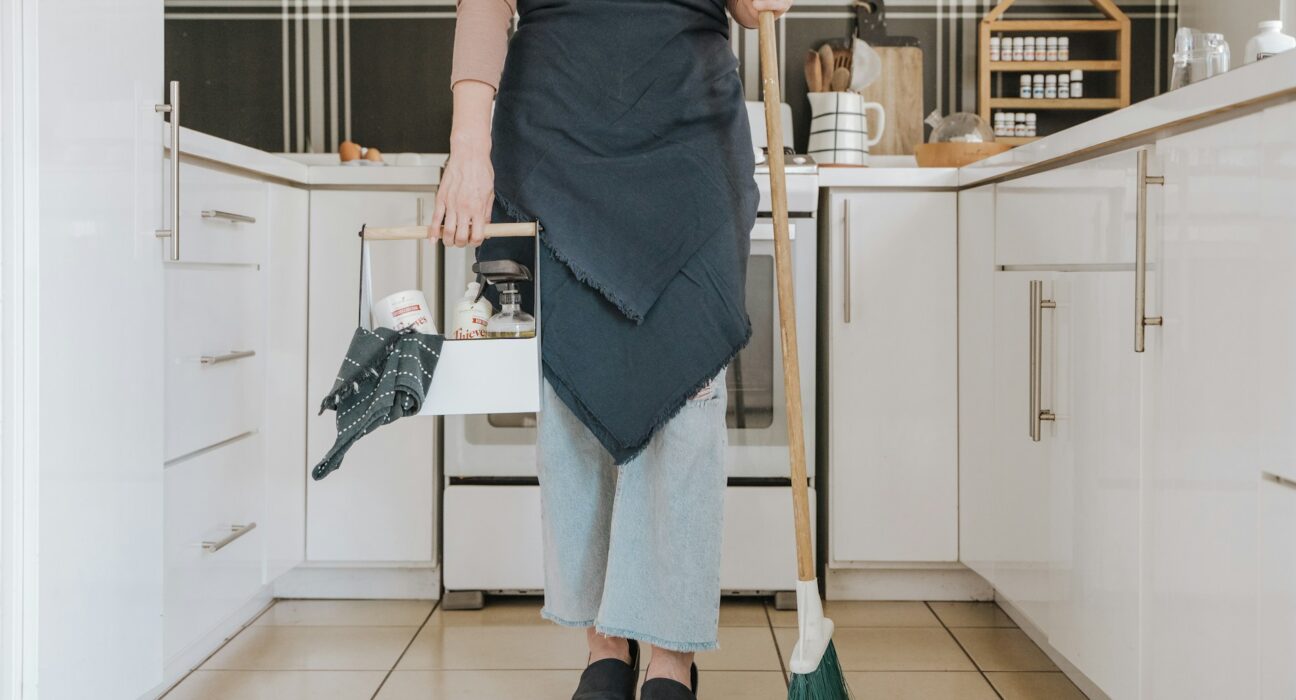
Balancing a career, childcare, and household management often feels like a juggling act where dropping a ball is inevitable. For many parents, the state of the home is the first thing to suffer when schedules get tight.
However, maintaining a tidy environment is not just about aesthetics; it is about creating a functional space that reduces stress rather than adding to it. The goal isn’t to achieve a showroom-perfect house every day but to implement systems that keep chaos at bay.
By shifting your mindset from “cleaning endlessly” to “cleaning intelligently,” you can maintain order without sacrificing your weekends. This guide outlines practical strategies designed to integrate seamlessly into a busy schedule.
We will explore efficient cleaning tips that focus on high-impact areas, streamlined processes, and family involvement, ensuring that your home supports your lifestyle rather than dictating it. The reality of mom life often means dealing with unexpected messes, but with the right plan, you can handle them with ease.
1. The Power of Micro-Cleaning Sessions
Think you need hours of free time to get your house clean? Think again. Waiting for a two-hour window is the quickest way to ensure the mess stays exactly where it is. For anyone navigating the busy reality of mom life, micro-cleaning is the answer.
This philosophy lets you tackle dirt in short, manageable bursts, preventing grime from piling up—no marathon cleaning sessions required.
Implementing the 15-Minute Rule
The 15-minute rule is a psychological trick that overcomes procrastination. Set a timer for 15 minutes and focus on a single task or room with high intensity. Knowing there is a defined endpoint makes the labor feel less daunting. This method is particularly effective for home hacks that require speed over precision.
High-impact tasks for 15-minute windows:
- The Dusting Sprint: Rapidly dust surfaces in the living room and bedrooms using a microfiber cloth.
- The Bathroom Blitz: Wipe down the sink, mirror, and toilet, and change the hand towels.
- The Floor Sweep: Vacuum or sweep only the high-traffic areas in the hallway and kitchen.
- The Surface Clear: Remove all items from the dining table and kitchen counters that do not belong there.
2. Optimizing High-Traffic Areas First
Not all rooms are created equal. The kitchen and the living area generally see the most activity and, consequently, the most mess.
By prioritizing these zones, you create a visual sense of order that permeates the rest of the house. When the central hub of the home is clean, the rest of the environment feels more manageable.
Maintaining a Functional Kitchen
The kitchen is often the bottleneck of household cleanliness. A sink full of dishes can derail an evening routine instantly. Adopting a “clean as you go” policy is essential for efficiency. This ensures that by the time the meal is served, the majority of the cleanup is already complete.
Steps to a perpetually tidy kitchen:
- Empty the Dishwasher First: Make emptying the dishwasher part of your morning routine so dirty dishes can be loaded immediately throughout the day.
- Soak Immediately: Never leave pots with stuck-on food to dry; fill them with hot soapy water the moment they are emptied.
- Counter Wipe-Down: Wipe counters while waiting for the kettle to boil or the microwave to beep.
- The Nightly Reset: Ensure the sink is empty before going to bed to start the next day with a clean slate.
3. Streamlining Laundry Operations
Laundry is a cyclical task that never truly ends. For many, it becomes a mountain of clothing that takes over guest beds or sofas.
The key to conquering laundry is to treat it as a flow rather than a batch process. Moving from a weekly marathon to a daily sprint can significantly reduce the mental load associated with clothing management.
Sorting and Scheduling for Efficiency
Implementing a rigid sorting system prevents bottlenecks. Instead of sorting dirty clothes on the floor on laundry day, use a pre-sorted hamper system. This makes the transition from hamper to machine seamless and is one of those essential cleaning tips that saves minutes every single day.
Effective laundry management techniques:
- The One-Load-A-Day Method: Wash, dry, and fold one load every day (e.g., towels on Monday, sheets on Tuesday, kids’ clothes on Wednesday).
- Fold Immediately: Do not let clothes sit in the dryer or a basket. Fold them while they are warm to reduce wrinkles and the need for ironing.
- Categorized Hampers: Use three separate bins for lights, darks, and towels so the family sorts for you.
- Socks in a Mesh Bag: Keep socks in a mesh laundry bag to prevent unmatched pairs and save time sorting later.
4. Utilizing Multi-Purpose Cleaning Agents
A cabinet overflowing with specialized bottles for every surface is inefficient and expensive. Simplifying your chemical arsenal not only saves space but also speeds up the process, as you aren’t constantly switching products.
Creating a cleaning caddy with versatile solutions allows you to move from room to room without backtracking.
The Versatility of Vinegar and Baking Soda
Natural ingredients are often just as effective as harsh chemicals for daily maintenance. White vinegar and baking soda are staples in the world of home hacks because they are safe, cheap, and effective against grease and odors.
Applications for simple solutions:
- All-Purpose Spray: Mix equal parts water and white vinegar in a spray bottle for windows, mirrors, and countertops (avoid granite/marble).
- Drain Freshener: Pour half a cup of baking soda followed by half a cup of vinegar down the drain to clear minor clogs and odors.
- Microwave Steam Clean: Microwave a bowl of water with lemon slices for three minutes, then simply wipe away the loosened grime.
- Carpet Refresher: Sprinkle baking soda on carpets, let sit for 15 minutes, and vacuum to neutralize odors.
5. Strategic Decluttering with Basket Systems
Clutter makes cleaning significantly harder. You cannot wipe a surface that is covered in mail, toys, and keys.
The “Basket System” is a method of containment that stops clutter from spreading and makes tidying up a rapid process. It serves as a temporary holding area that prevents you from walking back and forth across the house multiple times.
Establishing “Go-Back” Stations
Place a designated basket or bin at the bottom of the stairs or in the corner of the main living area. Throughout the day, any item that does not belong in that room gets tossed into the basket. This contains the mess in one vessel rather than letting it sprawl across the floor.
Executing the basket method:
- The End-of-Day Sweep: Take five minutes before bed to grab the basket and redistribute items to their proper rooms.
- The Car Basket: Keep a small bin in the car for items that need to come inside (wrappers, water bottles, school projects).
- Paperwork Station: Use a dedicated tray for mail and school forms to prevent paper clutter on the kitchen island.
- Donation Bin: Keep a permanent bag in a closet for clothes or toys that are outgrown; once full, donate it immediately.
6. Involving the Entire Family
Housekeeping should not fall on the shoulders of one person. A household operates best as a team. While it may feel faster to do it yourself, teaching children to contribute fosters responsibility and lightens the load in the long run.
The realities of mom life involve guiding little ones to be self-sufficient, and chores are a perfect training ground.
Age-Appropriate Tasks for Children
Delegation requires patience, but the payoff is a shared workload. Even young toddlers can participate in simple tasks. The key is to make the instructions clear and the tasks manageable for their coordination levels.
Task breakdown by age group:
- Toddlers (2-3 years): Putting toys in a bin, putting dirty clothes in the hamper, wiping low cupboards with a dry cloth.
- Preschoolers (4-5 years): Making their bed (imperfectly), feeding pets, matching socks, clearing their plastic plate.
- School Age (6-9 years): Sweeping, emptying small trash cans, loading the dishwasher (with supervision), folding towels.
- Tweens/Teens (10+ years): Cleaning the bathroom, cooking a simple meal, changing bed sheets, vacuuming entire rooms.
Create a Routine That Works for You
The best cleaning schedule is simply the one you can actually follow. Whether you prefer chipping away at chores daily or powering through them on a Saturday morning, consistency is the secret sauce.
Try using these strategies—like the 15-minute timer or the basket system—to take the mental and physical weight off housekeeping. However, even a spotless home can face technical difficulties. You can organize your kitchen perfectly, but a malfunctioning appliance will quickly disrupt your flow.
If you notice your unit isn’t cooling properly, schedule a fridge repair service immediately. Addressing maintenance issues quickly prevents food spoilage and ensures your household rhythm stays on track. Above all, remember that home hacks are tools to help you, not rules to stress you out.
If a system doesn’t work for your family, change it or ditch it entirely. The goal is to free up time for what matters and keep your home a place of rest, not endless work. Start with just one of these cleaning tips today, and watch how a small adjustment can create a significantly more organized life.